
 Authorized Dealer
Generator Transfer Switch Installation in Portland, Oregon
The transfer switch is what makes generator power safe. It separates your building from the utility before the generator feeds it — protecting line crews, your equipment, and your home. We install automatic and manual transfer equipment, permitted and inspected.
- OR CCB #195783 · ELEC C818
- Licensed, bonded & insured
- 24/7 outage service
A transfer switch safely connects a generator to your building by isolating it from the utility first. Paramount Electric Co. installs automatic transfer switches for standby generators and manual transfer switches or listed interlock kits for portable generators across the Portland metro — sized to your service, permitted, and inspected by a licensed Oregon electrical contractor.
Why a transfer switch is not optional
Connecting a generator to a building without transfer equipment — the cord plugged into a dryer outlet — sends power backward through the service and out onto the utility lines, where it can injure a lineworker restoring power. It also leaves your generator connected when utility power returns, which can destroy it. The electrical code requires transfer equipment that makes it impossible for the two sources to be connected at once. A transfer switch or a listed interlock is that equipment.
Automatic transfer switches
An automatic transfer switch, or ATS, is paired with a permanently installed standby generator. It monitors utility power, signals the generator to start when it fails, transfers the load once the generator is ready, and transfers back and shuts the generator down when the utility is stable. Nobody has to be present. For whole-home backup the ATS is service-rated — it's also the main disconnect — and sized to the service, commonly 200 amps for a home. Commercial switches are specified by current, voltage, phase, and fault-current rating, and are selected with the load study.
Manual transfer switches and interlock kits
For a portable generator, there are two code-compliant ways to feed your panel. A manual transfer switch is a small subpanel with a set of chosen circuits that you switch from utility to generator by hand. A listed interlock kit is a mechanical slide on your existing panel that prevents the main breaker and the generator breaker from being on at the same time, paired with an outdoor power inlet. Interlocks only work with panels they're listed for, and some older panels can't accept one. Both options let you run hard-wired loads — a furnace blower, a well pump — that an extension cord can't reach.
Whole-home versus managed loads
A transfer switch can put the whole panel on the generator or only selected circuits. Whole-home is simpler to live with but only works if the generator can carry the demand. Load management bridges the gap: modules on large circuits — a heat pump, electric water heater, range, or EV charger — hold those loads off briefly when the generator is near capacity and restore them automatically. That lets a moderately sized generator back up an entire home. Selected-circuit setups skip the large loads altogether and suit smaller generators and portable units.
Sizing and compatibility
The switch has to match three things: your electrical service, your generator, and your panel. Service size and whether the switch will act as the service disconnect determine its rating. The generator's output and control wiring determine which switches it can work with. The panel's age and condition matter too — transfer equipment is often the moment an obsolete or overloaded panel gets replaced, and we'll tell you if a panel upgrade should be part of the plan. Grounding and bonding are checked and corrected as part of the installation, because the neutral-to-ground bond changes when a service-rated switch is added.
Permits and inspection
Installing any transfer switch, interlock, or generator inlet is permitted electrical work in Oregon. We file the permit, do the installation, and meet the inspector. The work involves a planned power interruption — usually a few hours for a residential switch — which we schedule with you. After inspection we simulate an outage so you see the full sequence and know what to expect when it happens for real.
Replacing or adding to an existing system
We also work on transfer equipment that's already there: replacing worn or failed switches, adding load management to a generator that trips under whole-home load, moving a home from a manual setup to automatic when a standby generator is added, and correcting installations that were never permitted. Commercial facilities can have transfer-switch testing included in their generator maintenance.
Who We Do This Work For
Our Process, Step by Step
- AssessWe look at your service size, panel, grounding, and what you want powered.
- SelectAutomatic or manual, whole-building or selected loads, rated for the service and fault current.
- QuoteA fixed price for the defined scope, approved before work begins.
- PermitWe file the electrical permit.
- InstallA planned power interruption while the switch is tied in between the utility and your panel.
- Inspect & testWe meet the inspector, then simulate an outage to confirm the transfer and retransfer sequence.
Code & permits
Transfer equipment is required wherever a generator connects to premises wiring, under NEC Article 702 as adopted in the Oregon Electrical Specialty Code, with Articles 700 and 701 adding requirements for emergency and legally required standby systems. The equipment must be listed for the purpose and prevent the utility and generator from being connected simultaneously. Installation requires an electrical permit and inspection.
Who issues electrical permits in Oregon →Keep It Ready: Yearly Generator Maintenance, Built In
Plans start at $19/month with an annual electrical safety inspection and a labor discount on service and repairs. Ridge and Summit add yearly standby generator maintenance.
Generator Transfer Switches — Questions We Hear
What does a generator transfer switch do?
What's the difference between an automatic and a manual transfer switch?
Is an interlock kit legal in Oregon?
Do I need a permit to install a transfer switch?
What size transfer switch do I need?
Can you add a transfer switch to a generator I already own?
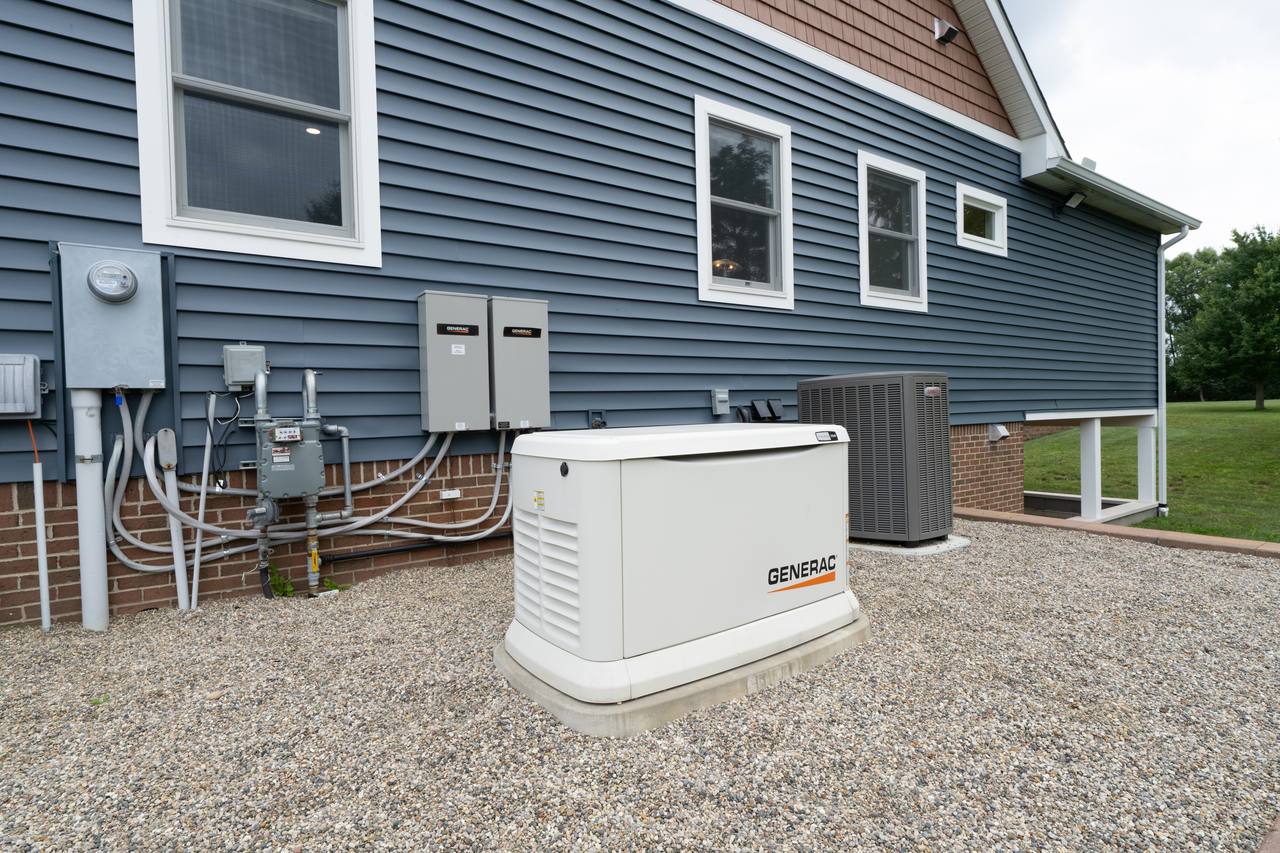
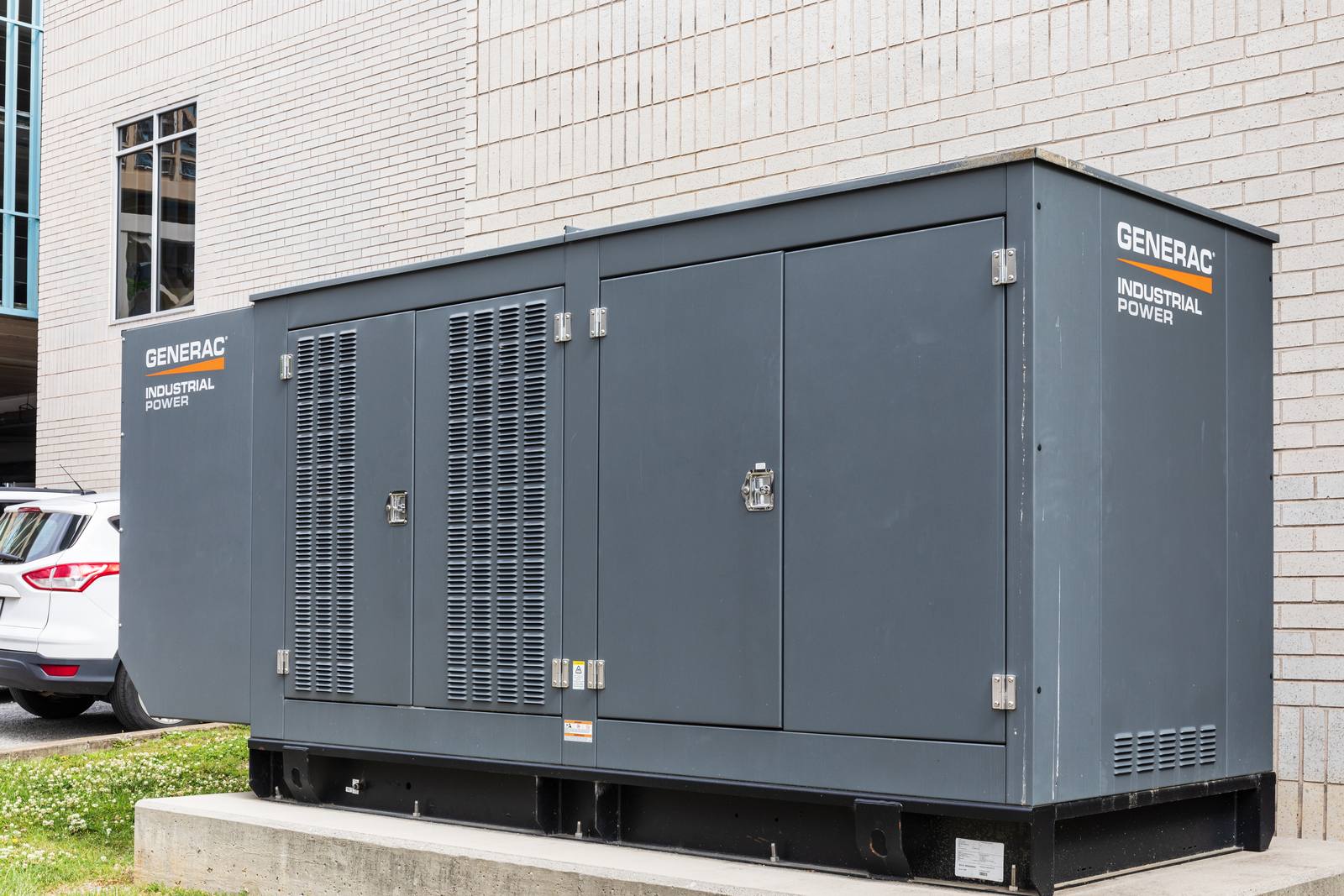
Generator Transfer Switches Work We Can Show You
Field Notes on Generator Transfer Switches
Generator Transfer Switches across the Portland metro
Working with a contractor for the first time? Start with Paramount Electric Co. — or see how we work with facility & property managers and general contractors.
See what clients say about working with Paramount — Read our Google reviews.
Schedule a Generator Assessment
Tell us about the home or building and what has to stay on in an outage. We'll walk the site, size the system from a load calculation, and return a fixed-price quote for the full scope — generator, transfer switch, gas and electrical, permit, and startup.
- Generac Authorized Dealer — sales, installation, and service
- Licensed electricians, OR CCB #195783 · ELEC C818
- Permits and inspection handled
- Power out right now? Call (971) 471-7897 — 24/7 outage service
Don't wait for the next outage
Schedule a generator assessment online, or call — our on-call line answers 24/7 for outage service.