
 Authorized Dealer
Commercial & Industrial Generator Installation in Portland, Oregon
A business loses money by the minute in an outage, and some buildings are required to keep certain systems running. We sell and install Generac commercial and industrial standby generators in every size, with the transfer equipment, as a complete electrical scope — studied, permitted, tested, and maintained.
- OR CCB #195783 · ELEC C818
- Licensed, bonded & insured
- 24/7 outage service
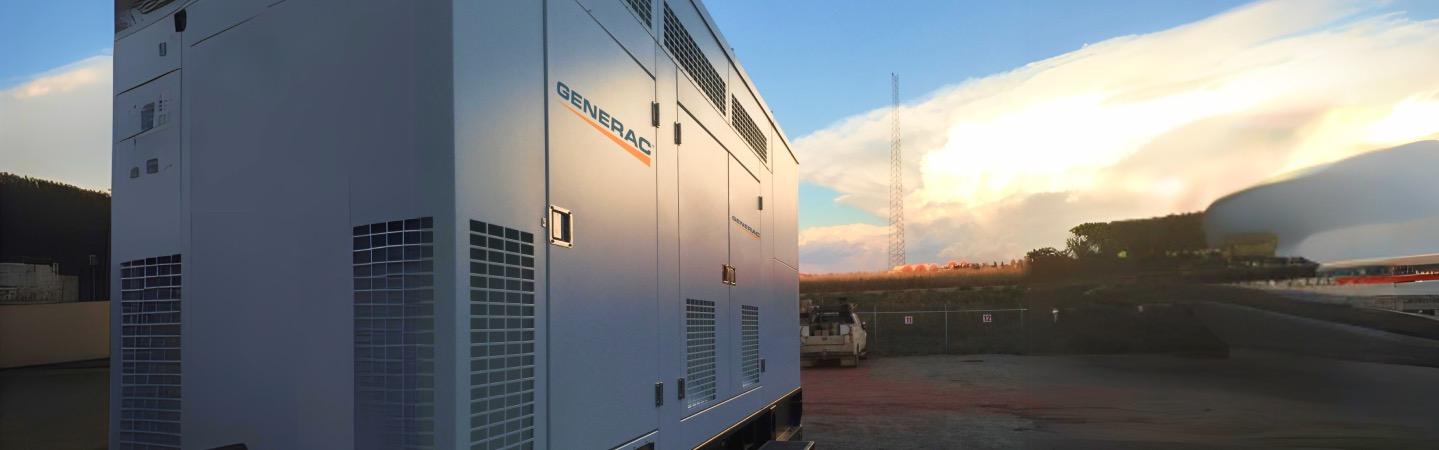
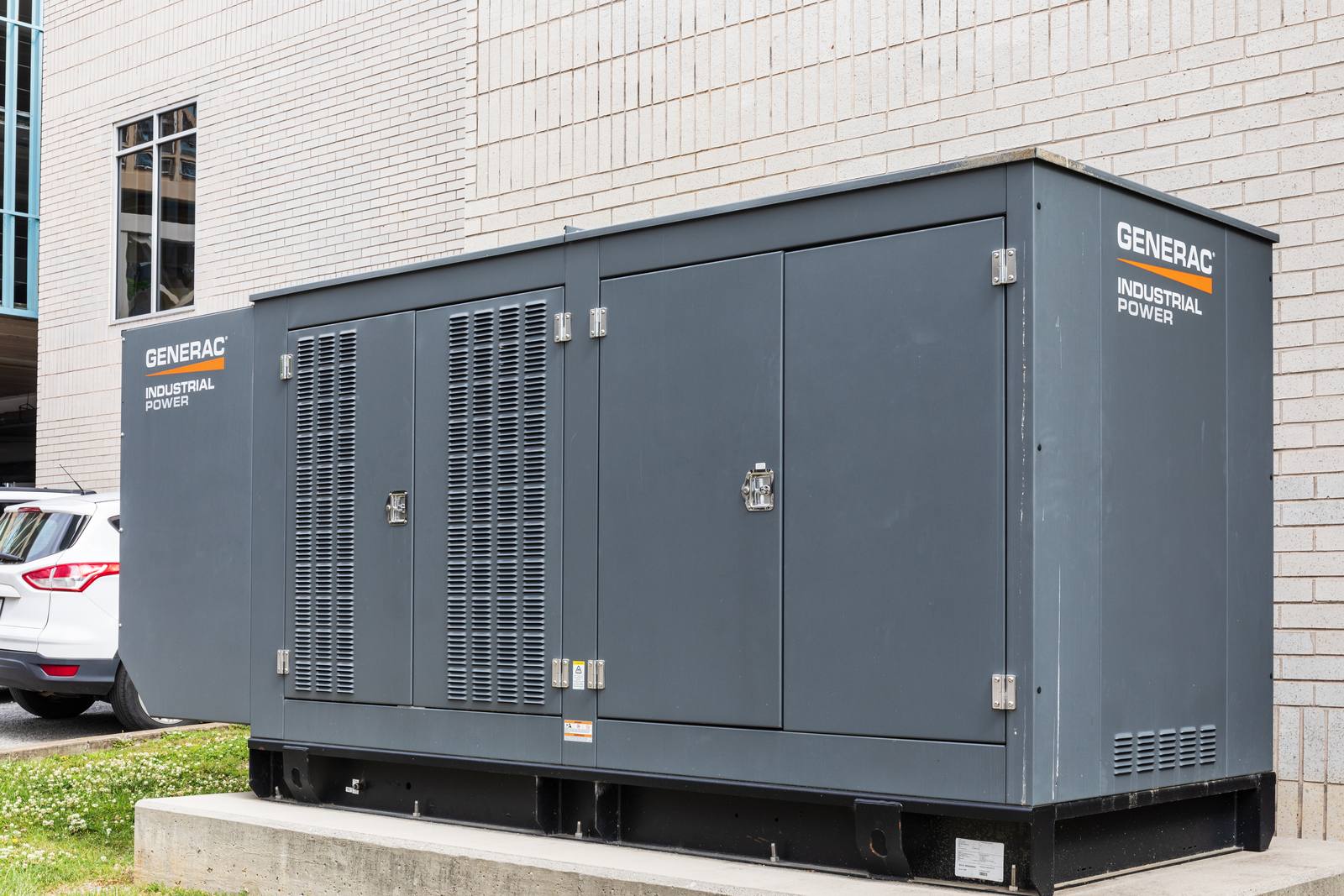
Paramount Electric Co. sells and installs Generac commercial and industrial standby generators in every size, with automatic transfer switches, for Portland-area businesses and facilities. As a licensed Oregon electrical contractor and Generac Authorized Dealer, we handle the load study, standby distribution, load management, permits, utility coordination, startup, and load-bank testing — including a completed 150 kW natural-gas system for a Clackamas pediatrics clinic.
Who needs commercial standby power
The strongest cases are buildings where an outage costs more than inconvenience. Clinics and medical offices protect refrigerated vaccines and medications and keep exam rooms working. Senior care and assisted living facilities carry life-safety systems and residents who can't be moved easily. Hotels have guests in the building and brand requirements to meet. Restaurants and grocery protect inventory in walk-ins and freezers. Offices protect server rooms and telecom closets. Gas stations and public facilities are needed most when the grid is down. If your operation has a number for what an hour without power costs, the generator conversation is usually short.
Sizing and load studies
Commercial generators are sized from demand, not from the building's square footage or the service nameplate. We work from measured load data where it exists and calculated load where it doesn't, then decide with you what runs during an outage: everything, or a defined set of standby loads on a dedicated panel. Motor starting matters — HVAC compressors, elevators, and refrigeration draw several times their running current at start — so staged startup and load shedding are part of the design. Undersized units trip or stall under real load; oversized units cost more and run inefficiently at light load. The study is what avoids both.
Automatic transfer switches and standby distribution
The automatic transfer switch has to be rated for the system it serves — current, voltage, fault current, and whether it's the service disconnect. Some buildings need one switch; buildings with required emergency loads may need those loads on separate transfer equipment and wiring from optional loads. On the pediatrics clinic project we installed a 600A automatic transfer switch feeding a dedicated 120/208V three-phase standby panel, with automatic load management that stages HVAC startup and sheds nonessential loads so refrigeration, selected receptacles, essential lighting, IT, and security always have priority.
Code: NEC 700, 701, 702 and NFPA 110
Three NEC articles govern standby power, and which one applies depends on the load, not the generator. Article 700 covers emergency systems — loads legally required for life safety, such as egress lighting. Article 701 covers legally required standby systems. Article 702 covers optional standby, which is most business-continuity backup. Each carries different rules for wiring separation, transfer equipment, and how quickly power must be restored. NFPA 110 sets performance, installation, and testing requirements for emergency and standby power systems where it is adopted or referenced. Which requirements apply to your building is determined by the occupancy, the design professional, and the authority having jurisdiction. We build to that determination and coordinate with the engineer of record; we don't make the classification call on our own.
Permits, gas, and utility coordination
A commercial generator project touches several authorities. The electrical permit and inspection come through the local building department or the state. Natural-gas units need the gas utility to confirm supply and often to upgrade the meter; diesel units bring fuel storage rules. Placement has to satisfy clearances, sound and screening requirements, and sometimes land-use review. We handle the electrical permit, coordinate the rest with the owner, GC, and utility, and sequence the tie-in so your shutdown window is planned and short.
Maintenance contracts for facilities
A commercial standby system is only credible if there's a record that it was exercised and tested. We set facilities up on recurring maintenance: scheduled service of the engine and battery, controller and alarm checks, transfer-switch testing, and a test run under load, with documentation you can hand to an inspector, an insurer, or a corporate facilities team. We also service generators installed by others and can add remote monitoring, transfer switches, or load management to systems that were installed without them.
For general contractors and facility managers
On new construction and tenant improvements, we carry the generator, transfer switch, pad, raceways, and feeders in the same electrical bid, so there's one subcontractor responsible for standby power from submittals through startup. For facility and property managers, generator service fits into the same work-order relationship as the rest of the building's electrical maintenance. Public and prevailing-wage projects are part of our regular work.
Who We Do This Work For
Our Process, Step by Step
- Site walk & load studyWe document the service, distribution, and the loads that must stay on, from measured or calculated demand.
- Sizing & one-lineGenerator, transfer switch, and standby distribution are sized together, with the engineer of record where the project has one.
- Fixed-price bidA complete scope with clarifications and exclusions listed; alternates are priced separately.
- Permits & utility coordinationElectrical permit, gas service coordination, and any utility notifications the installation requires.
- InstallPad, underground raceways, feeders, transfer equipment, and controls, sequenced around your operation.
- InspectionWe meet the inspector and close the permit.
- Startup & testingManufacturer startup, a simulated outage, and load-bank testing where the project calls for it.
- Training & maintenanceStaff are shown operation and exercise cycles, and the system moves onto a maintenance schedule.
Code & permits
Commercial standby systems are installed under the Oregon Electrical Specialty Code: NEC Article 700 (emergency systems), 701 (legally required standby), and 702 (optional standby), with NFPA 110 applying where adopted or referenced for emergency and standby power systems. Classification of loads is set by the occupancy, the design professional, and the authority having jurisdiction. We install to the approved design and handle the electrical permit and inspection.
Who issues electrical permits in Oregon →Prevailing-wage & public work
We perform prevailing-wage and Davis-Bacon work, including certified payroll, so generator scopes on public buildings and publicly funded facilities can be carried in our bid.
Government & public works electrical →Commercial & Industrial Generators — Questions We Hear
What sizes of Generac generators do you sell and install?
Who installs commercial standby generators in Portland, Oregon?
How do you size a commercial generator?
What's the difference between NEC Article 700, 701, and 702?
Do you supply the generator or only do the electrical work?
How long does a commercial generator project take?
Do you offer maintenance contracts for commercial generators?
Can you include the generator in an electrical bid for a GC?
Commercial & Industrial Generators Work We Can Show You
Field Notes on Commercial & Industrial Generators
Commercial & Industrial Generators across the Portland metro
Working with a contractor for the first time? Start with Paramount Electric Co. — or see how we work with facility & property managers and general contractors.
See what clients say about working with Paramount — Read our Google reviews.
Schedule a Generator Assessment
Tell us about the home or building and what has to stay on in an outage. We'll walk the site, size the system from a load calculation, and return a fixed-price quote for the full scope — generator, transfer switch, gas and electrical, permit, and startup.
- Generac Authorized Dealer — sales, installation, and service
- Licensed electricians, OR CCB #195783 · ELEC C818
- Permits and inspection handled
- Power out right now? Call (971) 471-7897 — 24/7 outage service
Don't wait for the next outage
Schedule a generator assessment online, or call — our on-call line answers 24/7 for outage service.