
 Authorized Dealer
Whole-Home Standby Generator Installation in Portland, Oregon
When the ice comes and the lines go down, a standby generator starts itself and keeps your heat, refrigerator, well pump, and lights running until the utility is back. We size it, install it, permit it, and service it.
- OR CCB #195783 · ELEC C818
- Licensed, bonded & insured
- 24/7 outage service
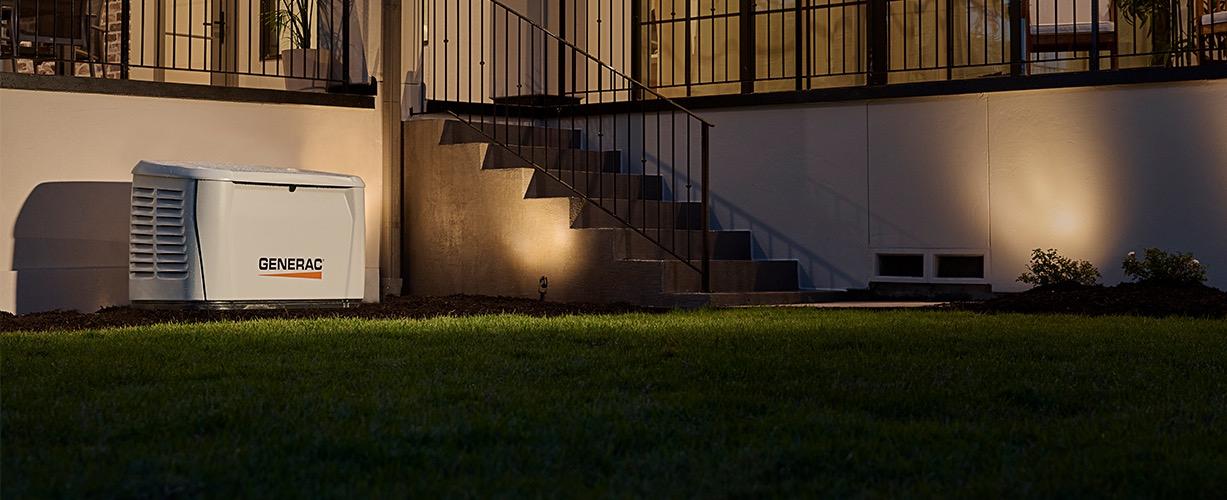
Paramount Electric Co. installs Generac whole-home standby generators across the Portland metro. As a Generac Authorized Dealer and licensed Oregon electrical contractor, we run the load calculation, set the generator and automatic transfer switch, coordinate natural gas or propane, pull the permit, pass inspection, and commission the system — typically one to two days on site.
Whole-home or essential circuits?
There are two honest ways to back up a house. Whole-home coverage puts the entire panel behind the transfer switch, so the house behaves normally during an outage. Essential-circuit coverage powers a chosen set — heat, refrigeration, the well or sump pump, some lighting and outlets, the internet — from a smaller unit. Whole-home used to mean buying an oversized generator; load management changed that. With managed loads, a right-sized air-cooled unit can carry a full house by briefly holding off large loads, like a heat pump or EV charger, when everything asks for power at once. We'll show you both options from the same load calculation so you're choosing on facts.
Sizing for a 200-amp service
Most homes we work in have a 200-amp electrical service, and the common question is whether that requires a huge generator. It doesn't. Service size is the maximum the house could draw, not what it actually draws. A load calculation looks at your real appliances — electric or gas heat, range, dryer, water heater, heat pump, well pump, EV charger — and determines the running and starting demand. Many 200-amp homes are well served by a 22–26 kW air-cooled generator paired with a 200-amp service-rated automatic transfer switch and load management. All-electric homes with large heating loads may need a different approach, and we'll tell you that up front.
Natural gas or propane
Standby generators run on the fuel already at your property. Natural gas is the simplest: no tank, no deliveries, and it keeps flowing in most outages. The check that matters is capacity — a generator at full load uses a lot of gas, and the existing meter and piping may need to be upsized by the gas utility or a licensed gas fitter. Propane works where there's no gas main; the tank has to be sized for the runtime you want, and the generator's output rating is slightly different on propane. We confirm fuel supply during the site assessment, before anything is ordered.
Placement and clearances
Where the unit sits is decided by the manufacturer's installation requirements, the electrical and fuel-gas codes, and local zoning — not by convenience. Generators need specified clearances from the building, from windows, doors, and fresh-air intakes, and from combustible materials, plus room to service them. Many jurisdictions also have setback and sound rules. On constrained and sloped lots, siting is half the job: on our West Linn hillside project the gas meter was on the opposite side of the house from the only compliant location, and the gas line extension was planned into the scope from the start.
The automatic transfer switch and load management
The automatic transfer switch is the brain of the system. It senses the outage, signals the generator to start, disconnects the house from the utility, and connects it to the generator — then reverses the process when utility power is stable again. For whole-home coverage the switch is service-rated and sized to your service. Load-management modules sit on the large circuits and hold them off momentarily so the generator is never asked for more than it can deliver. This is what lets a sensibly sized unit back up a heat pump without tripping.
Permit, inspection, and timeline
A standby generator is a permitted electrical installation in Oregon. We file the electrical permit, coordinate the gas work and any separate permit it needs, and meet the inspector. On site, most residential installs take one to two days once the pad, equipment, and permits are in place, with a short planned power interruption while the transfer switch is tied in. The overall calendar is usually set by equipment availability, gas utility scheduling, and the jurisdiction's permit turnaround, and we lay that out with the quote.
Why Portland-area homes add backup power
The Portland metro's outages are seasonal and predictable in kind, if not in date: ice loading and wind bring trees into lines, and the homes at the end of long feeders through timber wait longest for restoration. A standby system exercises itself weekly and starts whether or not you're home, which matters when the outage arrives while you're traveling. Customers most often tell us the deciding load was heat, a well pump, a sump pump, or medical equipment.
Financing and ongoing maintenance
For residential customers, financing is available through Wisetack, subject to approval — ask and we'll include the option with your quote. After installation, the generator needs a professional service once a year to stay reliable and keep the manufacturer's warranty requirements met. We offer maintenance plans for homeowners; ask us when you schedule your assessment.
Who We Do This Work For
Our Process, Step by Step
- Site assessmentWe walk the property: electrical service, panel, gas meter, and where the unit can sit within setbacks and clearances.
- SizingA load calculation, not a guess from square footage. We establish what has to run and what can be managed or shed.
- QuoteA fixed price for the defined scope, with options listed separately. Nothing is ordered until you approve it.
- PermitWe file the electrical permit and coordinate any gas or mechanical permit the jurisdiction requires.
- Gas & electricalPad, gas supply coordination, transfer switch, feeders, and control wiring are planned as one job.
- InstallOur own licensed electricians set the unit and transfer equipment and schedule the brief utility-power interruption with you.
- InspectionWe meet the inspector and close the permit, so the installation is on record with the jurisdiction.
- Startup & owner trainingWe commission the system, simulate an outage, and show you the controller, the exercise cycle, and what the alerts mean.
Code & permits
Home standby generators are optional standby systems under Article 702 of the NEC as adopted in the Oregon Electrical Specialty Code. The installation needs an electrical permit and inspection from the local building department, the gas piping is typically permitted separately, and local zoning may set setbacks and sound limits. We size transfer equipment to the calculated load and install to the manufacturer's listed clearances.
Who issues electrical permits in Oregon →Keep It Ready: Yearly Generator Maintenance, Built In
Plans start at $19/month with an annual electrical safety inspection and a labor discount on service and repairs. Ridge and Summit add yearly standby generator maintenance.
Home Standby Generators — Questions We Hear
How much does a whole-home standby generator cost to install in Portland?
What size generator do I need for a 200-amp service?
Will a standby generator run my whole house?
Natural gas or propane — which is better?
How close to the house can a generator be installed?
How long does a home standby generator installation take?
Do you offer financing for home generators?
How often does a home standby generator need service?
Home Standby Generators Work We Can Show You
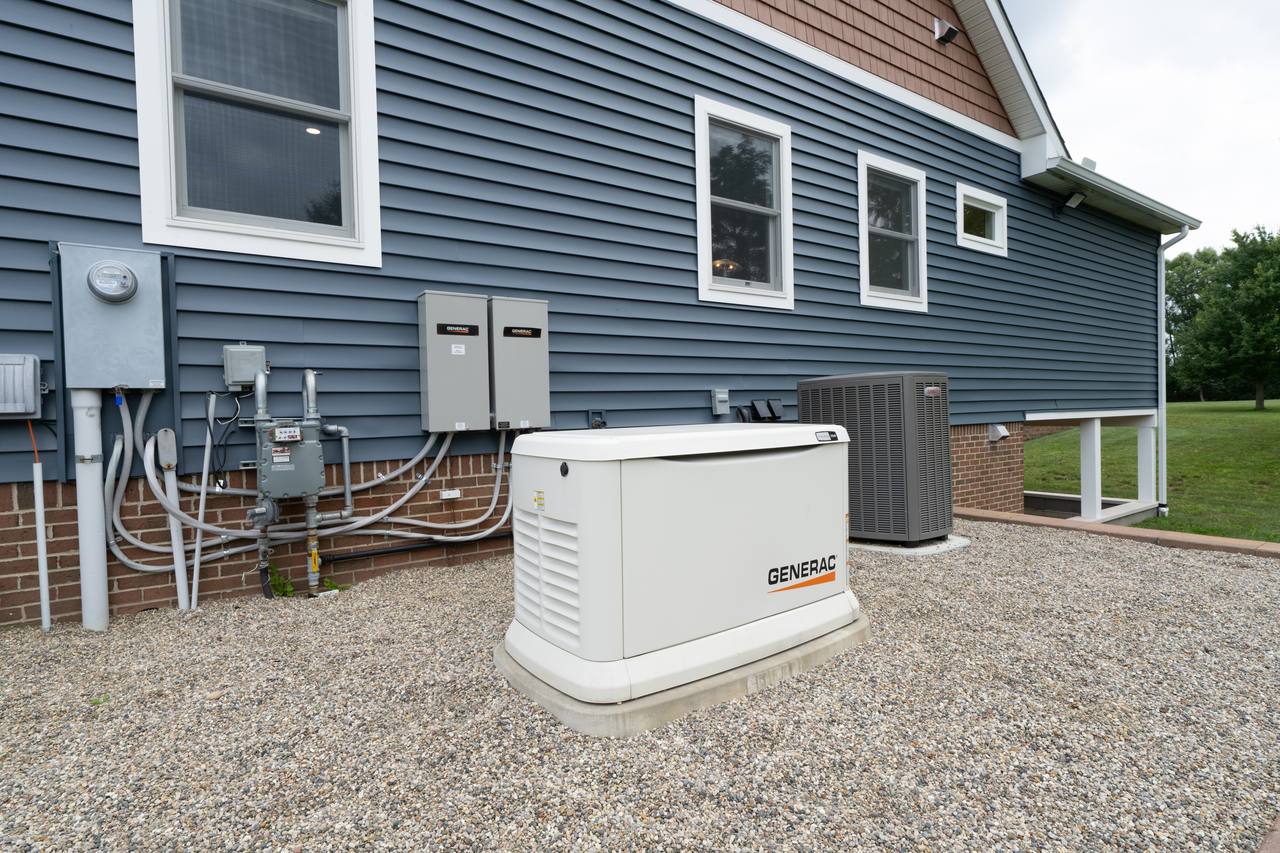
Field Notes on Home Standby Generators
Home Standby Generators across the Portland metro
Working with a contractor for the first time? Start with Paramount Electric Co. — or see how we work with facility & property managers and general contractors.
See what clients say about working with Paramount — Read our Google reviews.
Schedule a Generator Assessment
Tell us about the home or building and what has to stay on in an outage. We'll walk the site, size the system from a load calculation, and return a fixed-price quote for the full scope — generator, transfer switch, gas and electrical, permit, and startup.
- Generac Authorized Dealer — sales, installation, and service
- Licensed electricians, OR CCB #195783 · ELEC C818
- Permits and inspection handled
- Power out right now? Call (971) 471-7897 — 24/7 outage service
Don't wait for the next outage
Schedule a generator assessment online, or call — our on-call line answers 24/7 for outage service.