
Do I Need a Permit to Install a Standby Generator in Oregon?
Yes. Installing a permanently connected standby generator in Oregon requires an electrical permit and an inspection. The gas piping that feeds it is typically permitted separately, and some cities add zoning rules for placement and sound. Your installer normally pulls the permits, and the inspection record is what your insurer and a future buyer will ask to see.
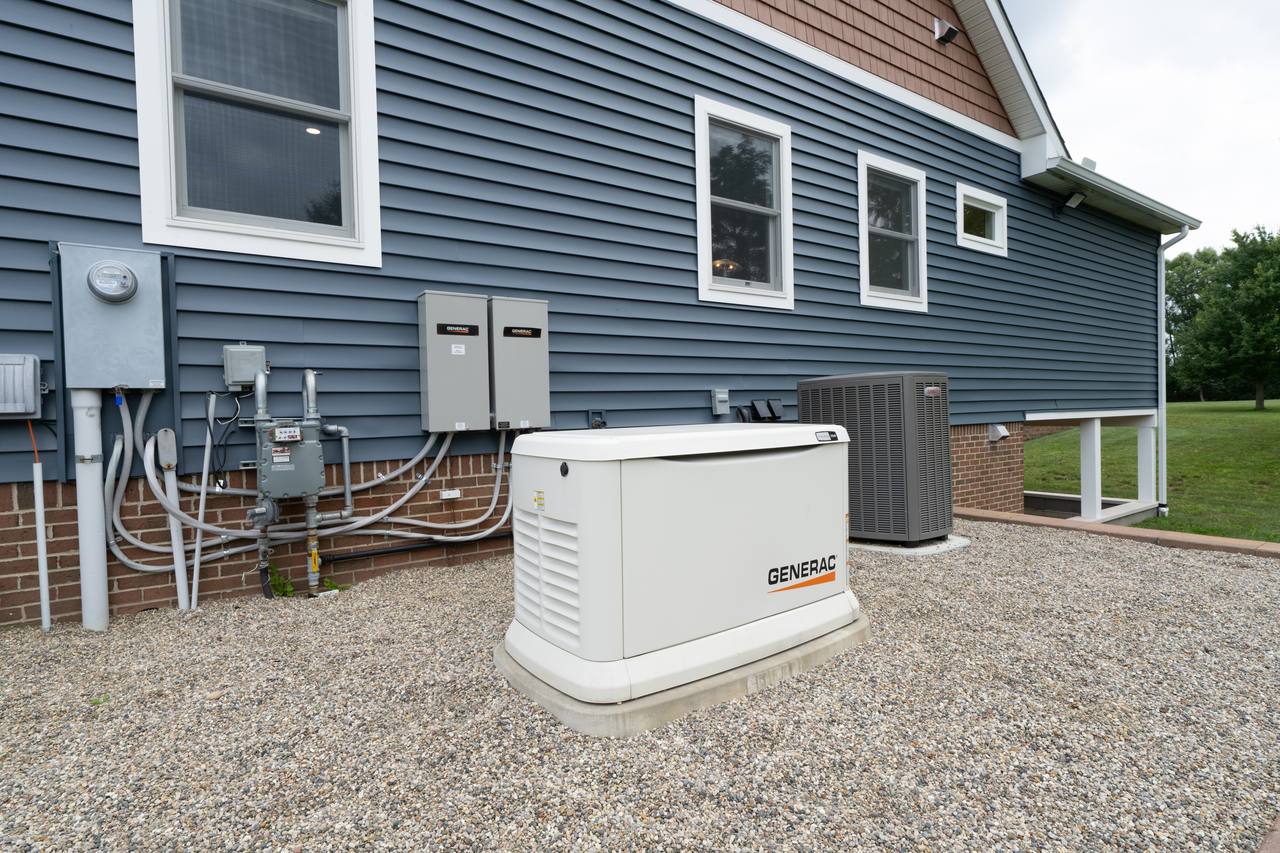
Does a standby generator require a permit in Oregon?
Yes. A standby generator and its transfer switch are new electrical equipment connected to your building's wiring, and that requires an electrical permit and inspection under the Oregon Electrical Specialty Code. This applies to homes and businesses alike, and to the transfer switch even when a generator is added later.
Portable generators used with extension cords don't need a permit. The moment a generator feeds your panel — through an automatic transfer switch, a manual transfer switch, or an interlock and inlet — the connection is permitted work.
Which permits does a generator installation need?
At minimum an electrical permit. The natural gas or propane piping typically needs a mechanical or fuel-gas permit of its own. Depending on the jurisdiction and the site, a zoning or land-use check on placement, setbacks, and sound can also apply, and larger commercial units may involve plan review.
Requirements vary by city and county, so the exact list is confirmed with the local building department for your address. A complete quote should name the permits it includes.
- Electrical permit — generator, transfer switch, feeders
- Mechanical / fuel-gas permit — gas piping to the unit
- Zoning review where required — setbacks and sound
- Plan review on larger commercial systems
Who issues generator permits in the Portland area?
The building department with jurisdiction over your address issues them. Inside city limits that's usually the city; in unincorporated areas it's the county; and in parts of the state without a local program, the Oregon Building Codes Division handles it directly.
Around Portland that means the City of Portland, or Clackamas, Washington, or Multnomah County, or a city such as Lake Oswego, West Linn, Oregon City, Beaverton, Hillsboro, or Gresham that runs its own program. We have a separate guide to who issues electrical permits across Oregon if you want the detail.
Who pulls the permit — me or the contractor?
The licensed electrical contractor doing the work pulls the electrical permit, and the trade doing the gas piping pulls that one. On our installations we file the electrical permit, coordinate the gas permit, schedule the inspections, and meet the inspector.
Be cautious of any installer who asks you to pull the permit yourself or suggests skipping it. A contractor's license number on the permit is part of what makes them accountable for the work.
What does the inspector check?
The electrical inspector checks that the transfer equipment is listed and correctly rated, that the generator and utility can't be connected at the same time, that conductors and overcurrent protection are sized properly, and that grounding and bonding are correct. Placement and clearances from the building and openings are verified against the manufacturer's instructions.
Grounding and bonding is where uninspected installations most often go wrong. Adding a service-rated transfer switch changes where the neutral-to-ground bond belongs, and getting it wrong creates a shock and fire hazard that works fine until the day it doesn't.
What happens if a generator is installed without a permit?
Unpermitted work can be flagged in a home sale, questioned by an insurer after a loss, and ordered corrected by the building department — sometimes with fees on top. It can also complicate a manufacturer warranty claim if the installation didn't follow the listed instructions.
The practical risk is larger than the paperwork risk. A generator connected without proper transfer equipment can backfeed utility lines and endanger line crews working to restore your power.
How long does the permit process take?
For a typical home standby generator, the electrical permit is usually straightforward and doesn't control the schedule. Equipment availability and gas utility work tend to take longer. Commercial systems that need plan review take more time, and turnaround varies by jurisdiction and season.
We build permit and inspection timing into the schedule we give you with the quote, so there are no surprises between the install date and the day the system is officially signed off.
Common questions
Do I need a permit for a portable generator?
Does replacing an old generator with a new one need a permit?
Can a homeowner install their own standby generator in Oregon?
Does Paramount Electric handle the permit?
Want the permit handled for you?
We file the electrical permit, coordinate gas, and meet the inspector on every generator we install. Schedule an assessment to get started.