
Commercial Build-Outs & Tenant Improvements in Portland, Oregon
TI schedules are unforgiving: lease deadlines, opening dates, and other trades stacked behind you. We bid quickly from plans, coordinate tightly, and deliver electrical build-outs that pass inspection the first time.
- OR CCB #195783 · ELEC C818
- Licensed, bonded & insured
- 24/7 emergency response
- Generac Authorized Dealer
Paramount Electric Co. is an electrical contractor for commercial build-outs and tenant improvements in the Portland metro. We bid office, retail, restaurant, and medical build-outs from plans at a fixed price, coordinate with the GC and property management, and take the work from demolition and rough-in through final inspection.
Every TI type, from shell to suite
First-generation shell spaces, second-generation remodels, demising work, and full gut renovations — offices, restaurants, retail, salons, gyms, and medical suites across the metro.
Restaurant TI is a different animal
Kitchen equipment schedules, hood interlocks, dedicated circuits, walk-in coolers, and health-inspection coordination. We've built out franchise and independent restaurants and know where the schedule risk hides.
Working in occupied buildings
Noise windows, after-hours tie-ins, protection of common areas, and clear communication with property management — standard practice on every occupied-building project we run.
Office build-outs
Office and medical-office build-outs are mostly about power density, lighting, and data. Workstation and conference-room power, dedicated circuits for equipment, energy-code lighting controls, and the low-voltage cabling behind it all. At the Oregon Pediatrics clinic in Sherwood we delivered the electrical for a medical tenant improvement, where exam-room power and equipment circuits sit on top of an ordinary office scope.
Retail build-outs
Retail build-outs turn on sales-floor and display lighting, storefront and sign power, point-of-sale and back-office circuits, and an opening date tied to a marketing calendar. For shell spaces we extend or add the panel and distribution; for second-generation spaces we sort out what the last tenant left behind before pricing what is new.
Restaurant build-outs
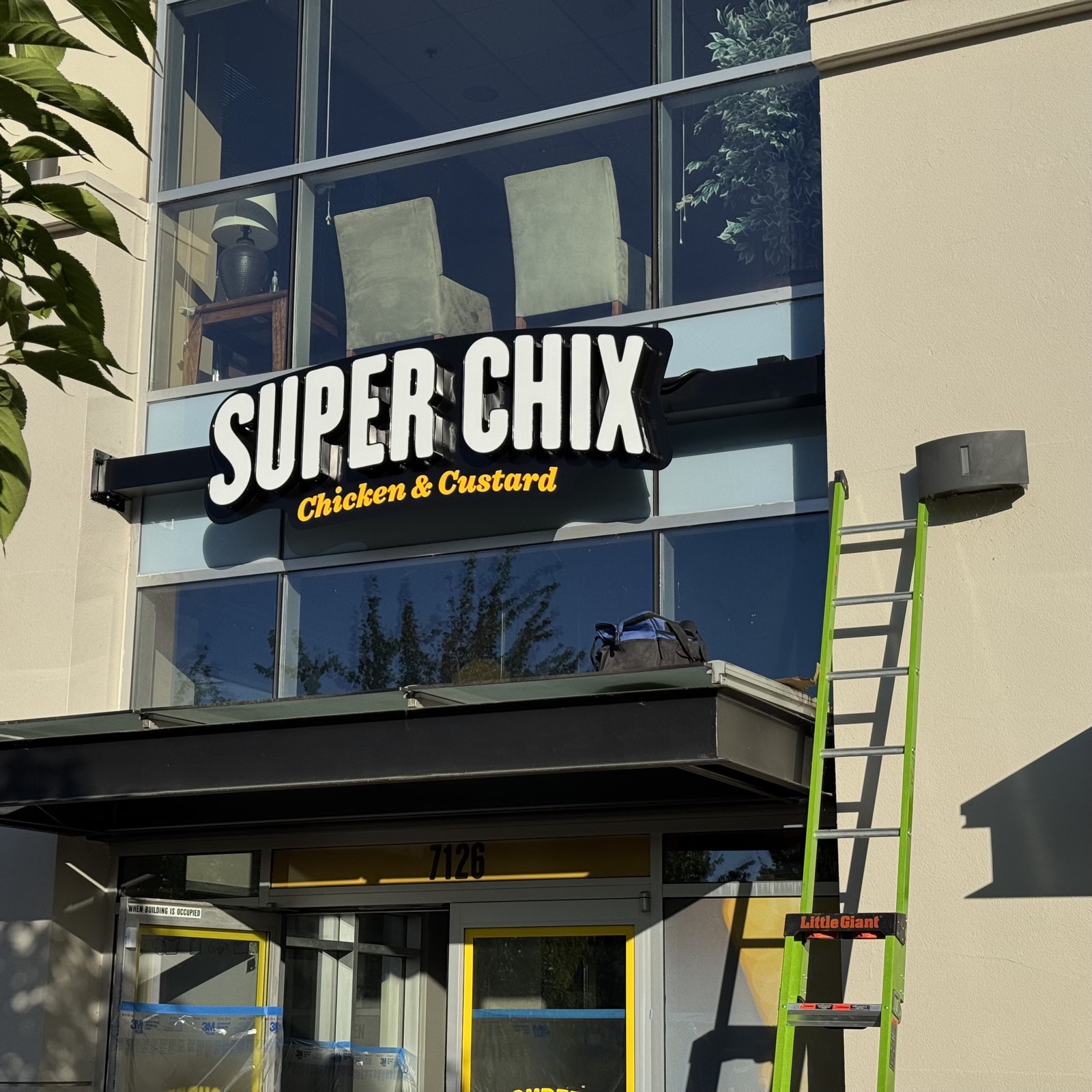
Restaurants carry the heaviest loads per square foot of any tenant space. The Super Chix build-out in Tualatin ran from a 600-amp service through the kitchen equipment circuits and hood interlocks to opening day, with equipment specifications arriving in stages. We build the load calculation from the actual equipment schedule and track substitutions so the inspector sees current information.
What should an owner or GC budget for TI electrical?
The cost drivers are consistent: whether the existing service and panels have capacity, how much of the old wiring can stay, the lighting and controls the energy code requires, kitchen or medical equipment loads, and after-hours or phased work in an occupied building. We give budget pricing from partial drawings with our assumptions stated, then a fixed price once the set is complete.
Fixed price, written exclusions, change orders
A TI bid from us is a fixed price for the scope on the drawings. Items outside the electrical scope — utility fees, fire alarm, or owner-furnished equipment, for example — are listed as exclusions. Changes to the scope and concealed conditions found during demolition are priced as written change orders and approved before the work is done.
Who We Do This Work For
Our Process, Step by Step
- Plans & site walkWe review the drawings and walk the suite to confirm the existing service, panels, and above-ceiling conditions.
- BidA fixed price for the drawn scope; exclusions written out and alternates priced separately.
- ScheduleDemo, rough-in, and trim set against the GC's milestones; gear and fixtures with lead times ordered first.
- BuildPermitted work with rough-in and cover inspections passed before the walls close.
- CloseoutFinal inspection, typed panel schedules, as-builts, and lighting-control settings handed over.
Code & permits
Tenant improvements are permitted through the local building department — the City of Portland, the county, or the city the building sits in — and built to the Oregon Electrical Specialty Code. Oregon's energy code drives lighting power limits and controls such as occupancy and daylight sensing, and those requirements belong in the bid, not in a correction notice. We pull the electrical permit and manage inspections; our permit guide below explains who issues what.
Who issues electrical permits in Oregon →Multi-site & facility service
For property managers and brands with several locations, we handle the electrical between tenants as well — make-ready work, demising changes, and repairs — so the same contractor knows the building from one lease to the next.
Electrical service for facility managers →Tenant Improvements — Questions We Hear
How fast can you bid a TI from plans?
Do you coordinate with property management requirements?
What do you need from us to price a TI?
How are exclusions and scheduling handled?
What is the difference between a build-out and a tenant improvement?
Do I need a permit for tenant improvement electrical work in Portland?
Can the existing electrical service handle my build-out?
Tenant Improvements Work We Can Show You


Field Notes on Tenant Improvements
Tenant Improvements across the Portland metro
Working with a contractor for the first time? Start with Paramount Electric Co. — or see how we work with facility & property managers and general contractors.
Ready to talk about tenant improvements?
Send plans and a scope for a complete bid, or call to talk through the project.