
GFCI vs. AFCI: Two Different Breakers, Two Different Disasters
Two safety devices with similar names protect you from completely different failures. GFCI protection is about people: it stops electricity from traveling through you. AFCI protection is about buildings: it stops the arcing that starts fires inside walls. Here's what each does, where code puts them, and what a tripping one is trying to tell you.
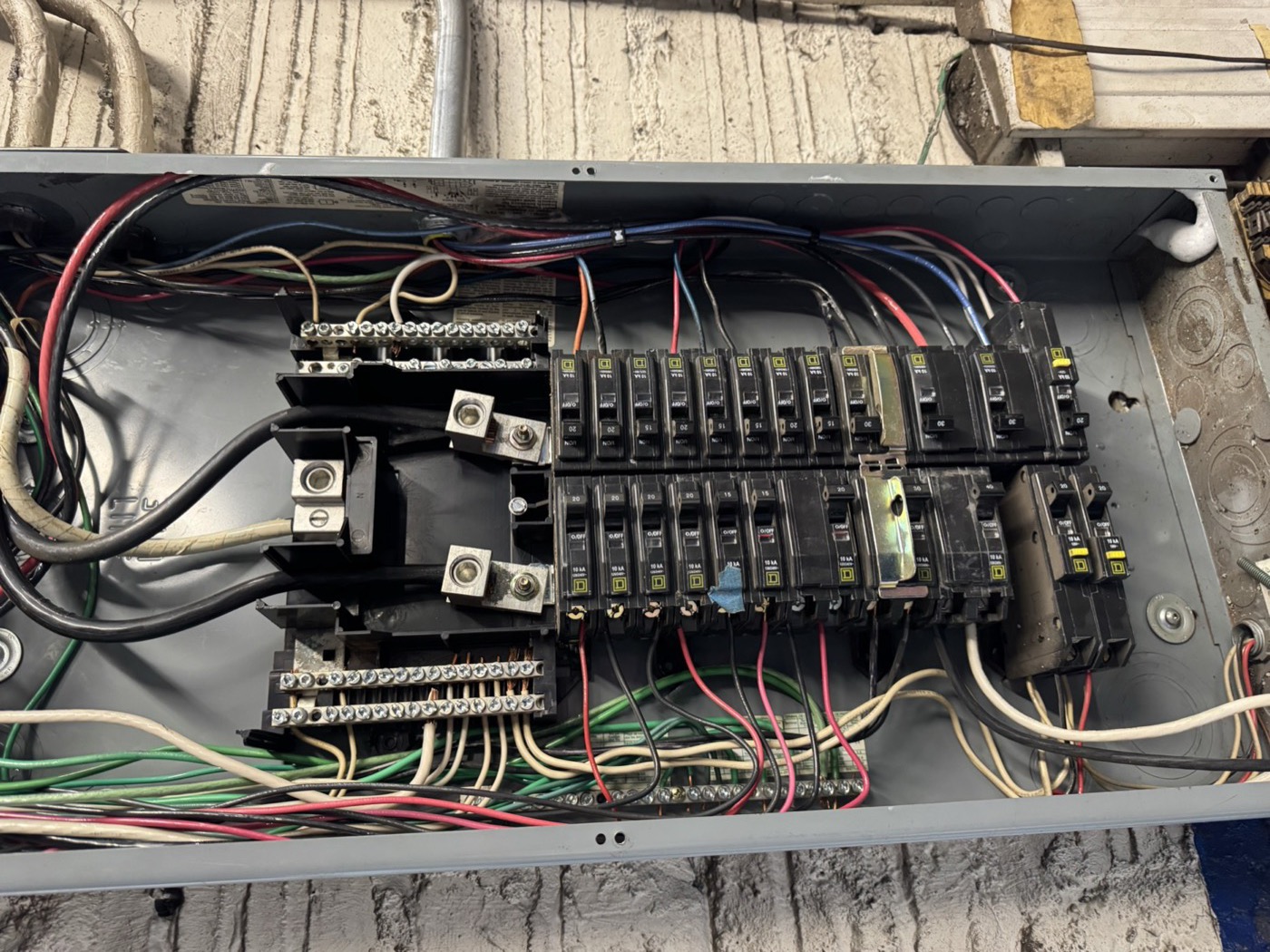
GFCI: shock protection, measured in milliseconds
A ground-fault circuit interrupter continuously compares the current flowing out on the hot conductor with the current returning on the neutral. If they differ by even a few milliamps — current leaking somewhere it shouldn't, possibly through a person — it opens the circuit in a fraction of a second.
That's why code concentrates GFCI protection where electricity and water share space: kitchens, bathrooms, garages, laundry areas, unfinished basements, crawl spaces, and everything outdoors. If an outlet lives where your hands might be wet, it should be GFCI-protected.
AFCI: fire protection, listening for arcs
An arc-fault circuit interrupter listens to the electrical signature of the circuit. A loose termination, a nail through a cable, a chewed wire, a failing splice — these produce arcing, which is a spark repeating dozens of times a second inside your walls. AFCI breakers recognize that signature and open the circuit before the arc becomes ignition.
Modern code requires AFCI protection for most living-area circuits — bedrooms, living rooms, hallways, and more. Newer homes get it at the panel; older homes typically pick it up circuit by circuit during panel upgrades and remodels.
The trip that keeps happening is a message
The most common call we get about these devices: 'it keeps tripping, can you replace it with a normal breaker?' Sometimes the device has failed, and sometimes an appliance's electronics genuinely confuse an older AFCI. But often the device is doing exactly its job — detecting a real leak or a real arc from a damaged cord, a worn appliance, or a loose connection heating up behind a cover plate.
Swapping a tripping AFCI for a standard breaker doesn't fix the problem. It removes the smoke detector because it kept going off. Diagnose first; the trip pattern usually points close to the fault.
- Trips only with one appliance plugged in: suspect that appliance
- Trips at random with nothing running: suspect wiring damage or moisture
- Trips immediately on reset: dead fault on the circuit — call it in
- Old GFCI outlets should be tested monthly with the built-in button
Where they meet: dual-function and panel upgrades
Dual-function breakers combine both protections in one device, and panel upgrades are the natural moment to bring an older home up to current protection levels — the labor is already happening, and the cost per circuit is at its lowest. When we replace a panel, we walk the house first so the new breaker schedule matches how the rooms are wired and used, not just what the old panel said.
Common questions
My house was built in the 1990s. Do I have to add AFCI protection?
Can I install GFCI outlets myself?
Why does my bathroom GFCI control other outlets?
Breaker keeps tripping?
Don't bypass it — tell us what trips and when, and we'll find what it's protecting you from.