
Fishy Smell From an Outlet? It's Probably Overheating Plastic
A fishy or urine-like smell with no obvious source is very often an electrical component overheating. The plastics and heat-resistant coatings used in outlets, switches, breakers, and wire insulation give off that odor as they get hot, well before anything visibly burns. If you smell it near an outlet or your panel, turn off the breaker for that circuit, unplug what you safely can, and call an electrician. If you see smoke or scorching, leave and call 911.
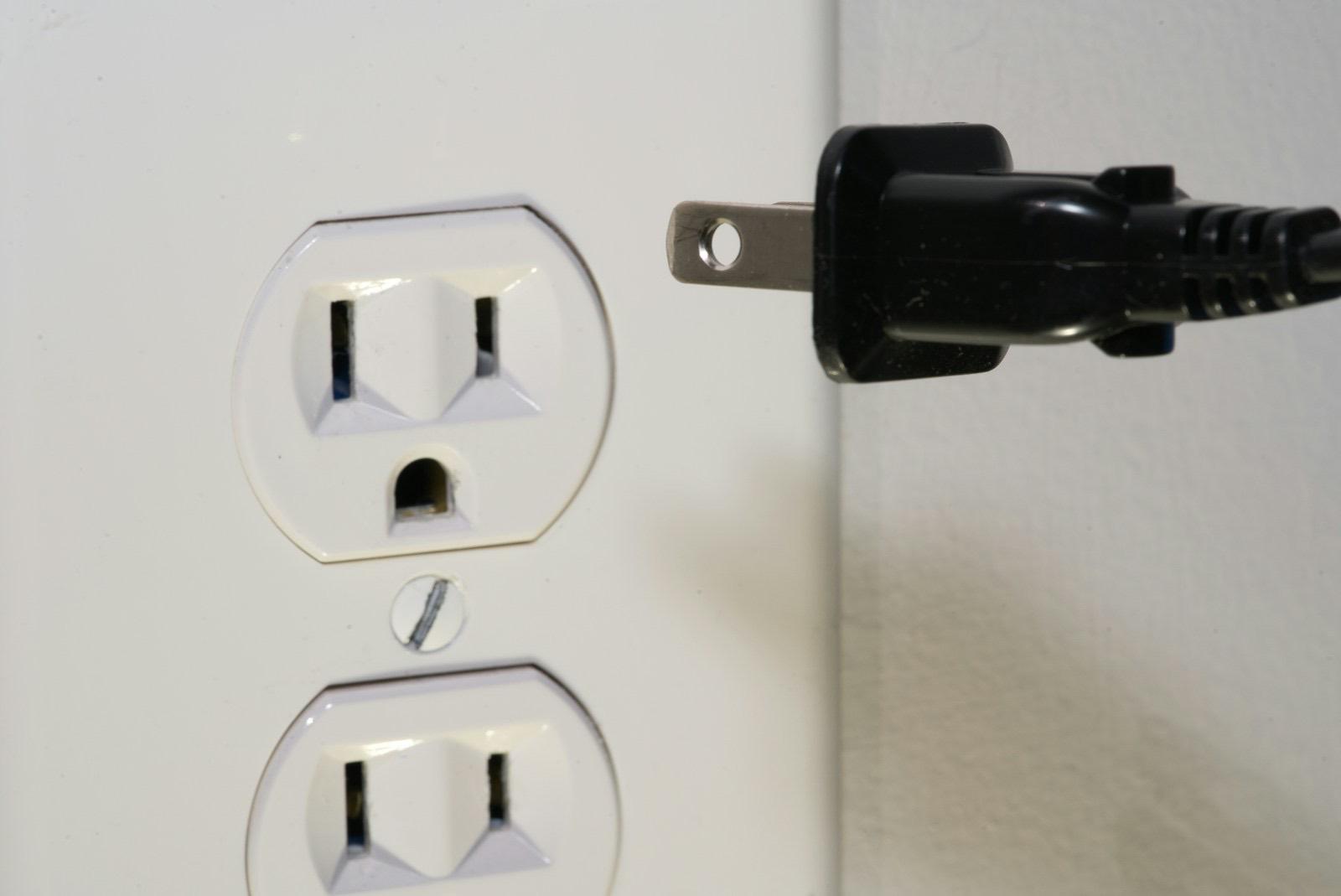
Why does an electrical problem smell like fish?
Electrical devices are made from plastics and treated with heat-resistant chemicals. When a connection overheats, those materials begin to break down and release compounds that most people describe as fishy, sometimes as urine or a sharp chemical smell. It is distinct from the smoky smell of something actually burning, and it tends to come first.
That makes it useful. A fishy smell is an early warning from a component that is hot but has not yet failed. The smell may come and go, getting stronger when the circuit is under load, such as when a space heater or microwave is running, and fading when it cools.
What should I do right now?
Treat it as a hazard until proven otherwise. These steps are in order.
- If there is smoke, flame, or heavy scorching: get everyone out and call 911
- Do not touch an outlet or switch that looks discolored, melted, or is sparking
- Turn off the breaker for the affected circuit; if you can't tell which, turn off the main
- Once power is off, unplug devices from the affected outlet
- Leave the circuit off — do not reset it to see if the smell returns
- Call a licensed electrician, and say that you smelled burning or a fishy odor
What causes an outlet to overheat?
Heat at an electrical connection comes from resistance, and resistance comes from a connection that is loose, corroded, damaged, or carrying more current than it was built for. The usual causes in homes:
- Loose wire terminations, especially push-in 'backstab' connections on older receptacles
- Worn receptacles that no longer grip a plug firmly
- An overloaded circuit, commonly from space heaters or several high-draw appliances on one outlet
- A failing breaker or a loose connection at the panel bus
- Aluminum branch wiring with deteriorated connections
- Damaged insulation from age, heat, pests, or a nail or screw through a cable
- Undersized or damaged extension cords and power strips
How do I find where the smell is coming from?
Without touching anything that looks damaged, you can narrow it down. Smell near outlets and switch plates in the room, particularly any with something plugged in that draws a lot of power. Look for a cover plate that is discolored, warped, or warm. Check light fixtures, where an over-wattage bulb can cook the socket. Then check the electrical panel: a smell at the panel is more serious than one at a single outlet, because it involves the equipment feeding the whole house.
If you cannot find the source but the smell is clearly electrical, turn off the main breaker and call. Hidden junction boxes in attics and crawlspaces overheat too, and they do it out of sight.
Is it safe to keep using the outlet if the smell goes away?
No. The smell fading means the component cooled, not that it healed. Overheated plastic and metal are permanently degraded: the contact tension is weaker and the resistance is higher than before, so the next time the circuit is loaded it will run hotter still. Outlets that have smelled once are the ones that char later.
Leave the circuit off until it has been opened up and checked.
What will the electrician do?
We pull the affected devices and inspect the terminations and the wire insulation behind them for heat damage, then follow the circuit to the other devices and splices on it, since a loose connection upstream can heat a device downstream. At the panel we check the breaker and its connection to the bus. Damaged devices and any heat-damaged wire are replaced, connections are remade on screw terminals, and the circuit is tested under load.
If the cause is an overloaded circuit rather than a bad connection, the lasting fix is a dedicated circuit for the load that was overwhelming it. If the damage is at the panel, we will tell you plainly whether a repair is sound or the panel should be replaced.
Could it be something other than electrical?
It could. Plumbing and sewer gas, a dead animal in a wall or crawlspace, and mold can produce similar smells. The electrical clues are that the odor is strongest at an outlet, switch, fixture, or the panel, that it rises when things are running, and that it comes with warmth, discoloration, or buzzing. Because the electrical cause is the one that starts fires, rule it out first.
Common questions
Why does my outlet smell like fish?
Is a fishy smell from an outlet an emergency?
The smell went away. Can I turn the breaker back on?
Can a fishy smell come from the electrical panel?
Smell something electrical?
Our on-call line answers 24/7. Turn off the circuit if it's safe and call — we'll help you decide what it needs.