
A Standby Generator for a Portland Home
The complaint I hear in July is the exercise cycle at 6 a.m. The complaint I hear in January is that the neighbor's generator started and theirs didn't. A standby generator for a home is the one on a pad, with fuel piped to it, that starts itself. Portland's version of a disaster is ice on a span or a fir through a line. Not a hurricane. You can be gone. The fridge doesn't care.
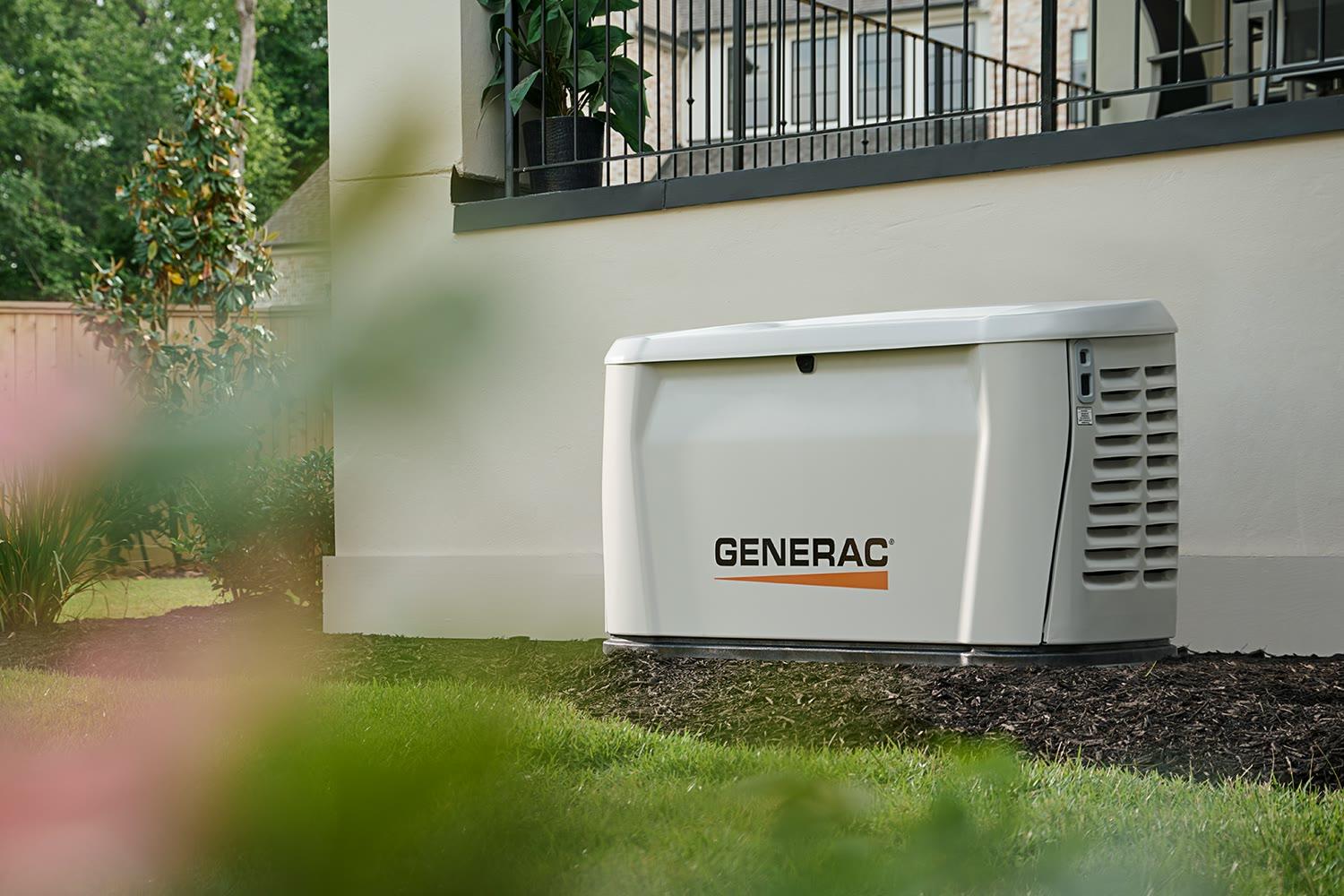
Ten seconds
Utility dies. The switch notices. The engine comes up. The house moves off the utility and onto the generator. When the utility has actually stayed back (not the first flicker), it transfers home and the engine cools off. People shop this under five different names. Same pile of steel. The install page is home standby generators. We sell Generac and we service what we sell.
Meter or tank
Natural gas if the street has it and the meter can feed the unit plus the furnace. If the meter is small, PGE changes it. Start that phone call before the concrete. We've waited on a meter with the pad already cured. Dumb.
No main in the street means propane. Tank, regulator, a fitter's pipe. We coordinate. We don't pretend we pulled a gas card. Diesel on a house is a weird ask. If that's the request, it usually belongs on the commercial side and I'll say so.
Make a list or don't
Heat. Fridge. A light circuit. The modem, because people notice the internet before the furnace. Sump. A well, if the water dies with the power. Medical gear if that's why you called. Ten to 14 kW covers a lot of 'essentials.' A heat pump that has to run pushes you up, often with a module that keeps two 240-volt loads from starting in the same breath.
A cord in a dryer outlet backfeeds the line. That's how people get hurt on the pole. If you insist on keeping the portable, we put in an inlet and an interlock so both sources can't be on together. Still a permit. Still means someone home, outside, in the dark.
The side of the house
Clearances to windows and the lot line are in the book, and the city adds its own. Under the eaves is not a location. West Linn slopes and tight southeast lots both work if you look at the gas meter and the panel first. A long feeder costs more than the paint color on the enclosure.
These things are about as loud as a condenser under load. If the only pad is under the bedroom, you will hate the weekly run. We'll tell you before you buy it.
October, not January
Exercise is not a service visit. Oil, filter, battery, the fault light that's been on since March. We permit it, meet the inspector, and kill the utility once at startup so you see a transfer with us standing there. Service is the fall visit, before the east wind.
If the question is whether every breaker comes along, that's the other post. Hardware overlaps. The list doesn't. Somebody on gear that can't drop for those ten seconds of transfer needs to say so before the pad. A small UPS on the device is sometimes the honest fix. I'll say that too.
The first ice
Lights dip. Engine outside. House back. If the list was honest, heat is on and the oven is not, unless you paid to put the oven on it. People notice the modem first. We put that on a circuit that transfers. Skip the weekly run all summer and the battery is what fails. Propane that never turned the tank over goes stale. I want that service visit in October, not when the controller is already complaining in the dark.
A portable with an interlock is cheaper and it needs a person. Right cord. The interlock we installed, not a plate from a hardware store. The standby unit costs more because that person can be somewhere else. Kilowatts are just the size. Tell us about medical gear before the concrete truck, not after. Natural gas or propane is a site fact, not a preference we pick from a catalog. The meter or the tank decides it, and the gas fitter owns that pipe. Clearance to a bedroom window is in the manufacturer's book and the city will add its own. Under the eaves is not a location I will sell you.
The weekly run
Set the exercise for a time you can stand. Six in the morning under a bedroom window will get the unit unplugged, and then it isn't a standby generator anymore. We'll say that when we site it. The controller lesson at startup is ten minutes. Which light means call us. Where the shutoff is. That's the part people skip and then panic.
Common questions
How many days on site?
Whole house?
Permit?
100-amp panel?
What has to stay on?
Heat, sump, medical, the kitchen. We'll size off that and the panel you have.