
Do You Need a Permit to Upgrade an Electrical Panel in Oregon?
Yes. Replacing or upgrading an electrical panel in Oregon requires an electrical permit and an inspection, and your utility will not reconnect a changed service until the inspection is approved. The permit is issued by the city or county building department with jurisdiction over your address, and a licensed electrical contractor normally pulls it as part of the job.
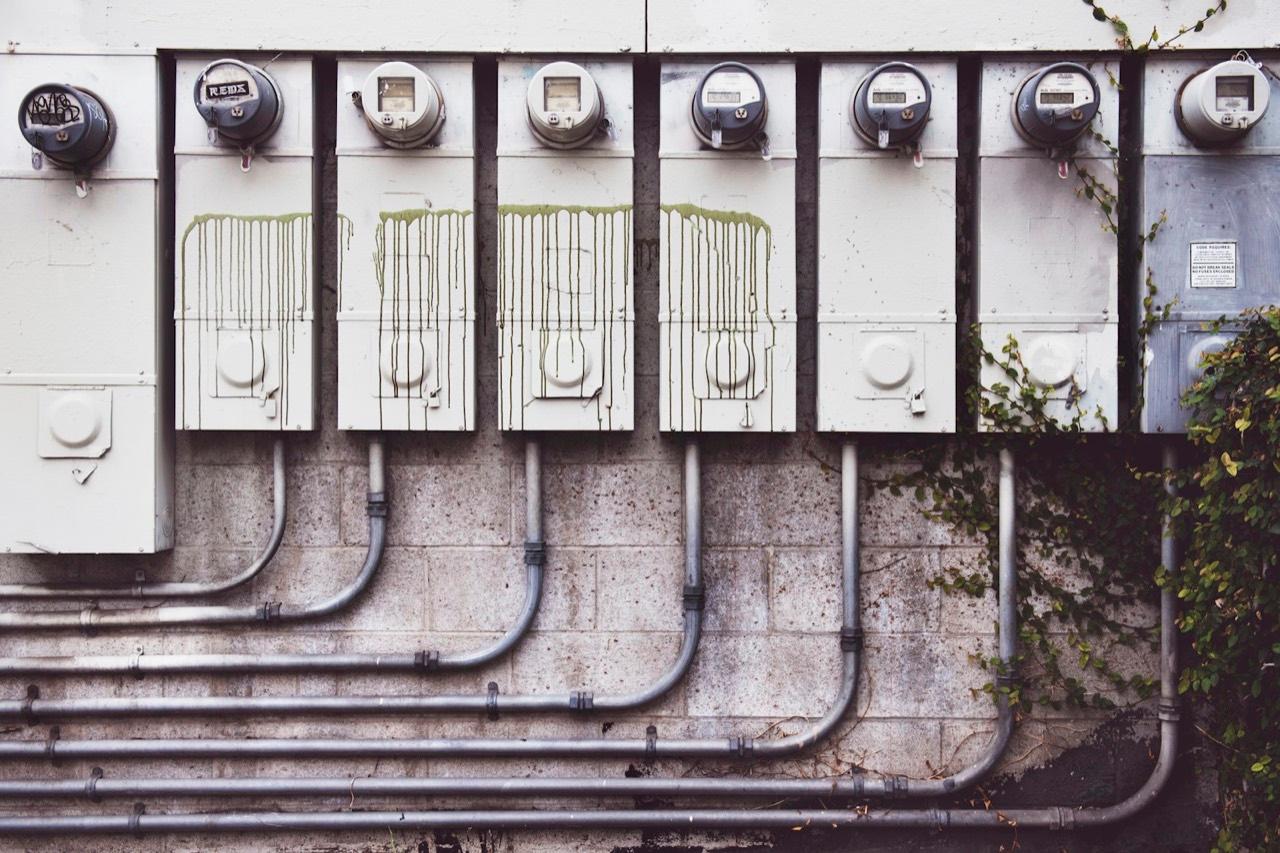
Is a permit required for a panel upgrade in Oregon?
Yes, without exception for size or brand. A panel is service equipment, and installing, replacing, or altering service equipment is permitted work under Oregon's electrical code. That applies to a 100-to-200-amp service upgrade, a same-size panel replacement, a meter base change, and adding a subpanel.
The minor-repair exceptions that let you swap a light switch or a receptacle like-for-like do not extend to panels.
Who issues the electrical permit?
Oregon's electrical code is statewide, but permits are issued locally. Depending on the address, the permit comes from the city building department, the county, or in some areas the state Building Codes Division directly. In the Portland metro that can mean the City of Portland, Clackamas County, Washington County, Multnomah County, or one of the individual cities that run their own programs.
The practical point for a homeowner: the jurisdiction is determined by the address, not by where your contractor is based. A contractor who works across the metro will know which office your home falls under. We cover how the system is organized in more detail in our guide to who issues electrical permits in Oregon.
Who can pull the permit?
A licensed Oregon electrical contractor pulls the permit for work it performs, and the work is done by licensed electricians under a supervising electrician. That is the normal route, and it is what puts the responsibility for the installation on a licensed business.
Oregon also allows an owner to obtain a permit for electrical work on a home they own and occupy, within limits set by the state and the local jurisdiction. Service equipment is the most consequential electrical work in a house, involves the utility, and leaves no margin for error. Check with your building department before assuming an owner permit fits your situation.
What does the inspector look at?
The inspection is a check of the new work against the code, by someone with no stake in the job. On a panel upgrade it typically covers the following.
- Panel and main breaker rating matched to the service conductors and meter base
- Working clearance in front of and around the panel
- Grounding electrode system and bonding of water and gas piping
- Neutral and ground separation where required
- Correct breaker types, including AFCI and GFCI protection where the code calls for it
- Conductor sizing, terminations, and torque
- Circuit directory filled in
- Service mast, weatherhead, or underground conduit meeting utility and code requirements
How does the utility fit in?
A service upgrade requires the utility to disconnect power before the work and reconnect it after. The reconnect is tied to the inspection: the utility wants to see that the jurisdiction has approved the new service equipment before it re-energizes it. Your contractor schedules both so the outage is limited to part of a day in most cases.
Utilities also publish their own requirements for meter bases, mast heights, and clearances. Those sit on top of the electrical code, and the equipment has to satisfy both.
What happens if a panel is replaced without a permit?
Nothing, until something does. Unpermitted panel work tends to surface at the worst moments: a buyer's inspector notices a new panel with no permit record, an insurance carrier asks for documentation after a claim, or a later permitted project brings an inspector to the house who sees the unpermitted service.
The remedy is usually a permit after the fact, with the work opened up for inspection and corrected at the owner's expense. More important than the paperwork is what the inspection would have caught: improper grounding, undersized conductors, or a missing bond are invisible in daily use and matter only when there is a fault.
How long does the permit take?
For a straightforward residential panel replacement, the electrical permit itself is generally quick to obtain in most jurisdictions, and many issue them online. The schedule is more often set by utility coordination and by lining up the inspection for the day of the work. Timelines vary by jurisdiction and season, so we confirm the sequence for your address when we schedule.
Common questions
Do I need a permit to replace an electrical panel in Oregon?
Does my electrician handle the permit?
Do I need a permit to add a subpanel?
Will I need to bring the whole house up to code?
Planning a panel upgrade?
We handle the load calculation, permit, utility coordination, and inspection, and label every circuit before we leave.