
What a Commercial Electrical Maintenance Program Includes (Checklist)
Every facility has an electrician's number taped somewhere for when something breaks. Far fewer have the thing that makes that number ring less: a maintenance program. The difference shows up in the budget — reactive electrical work is priced by urgency, scheduled work is priced by scope — and in uptime, because the failures that close a building rarely come without warning.
What a program actually includes
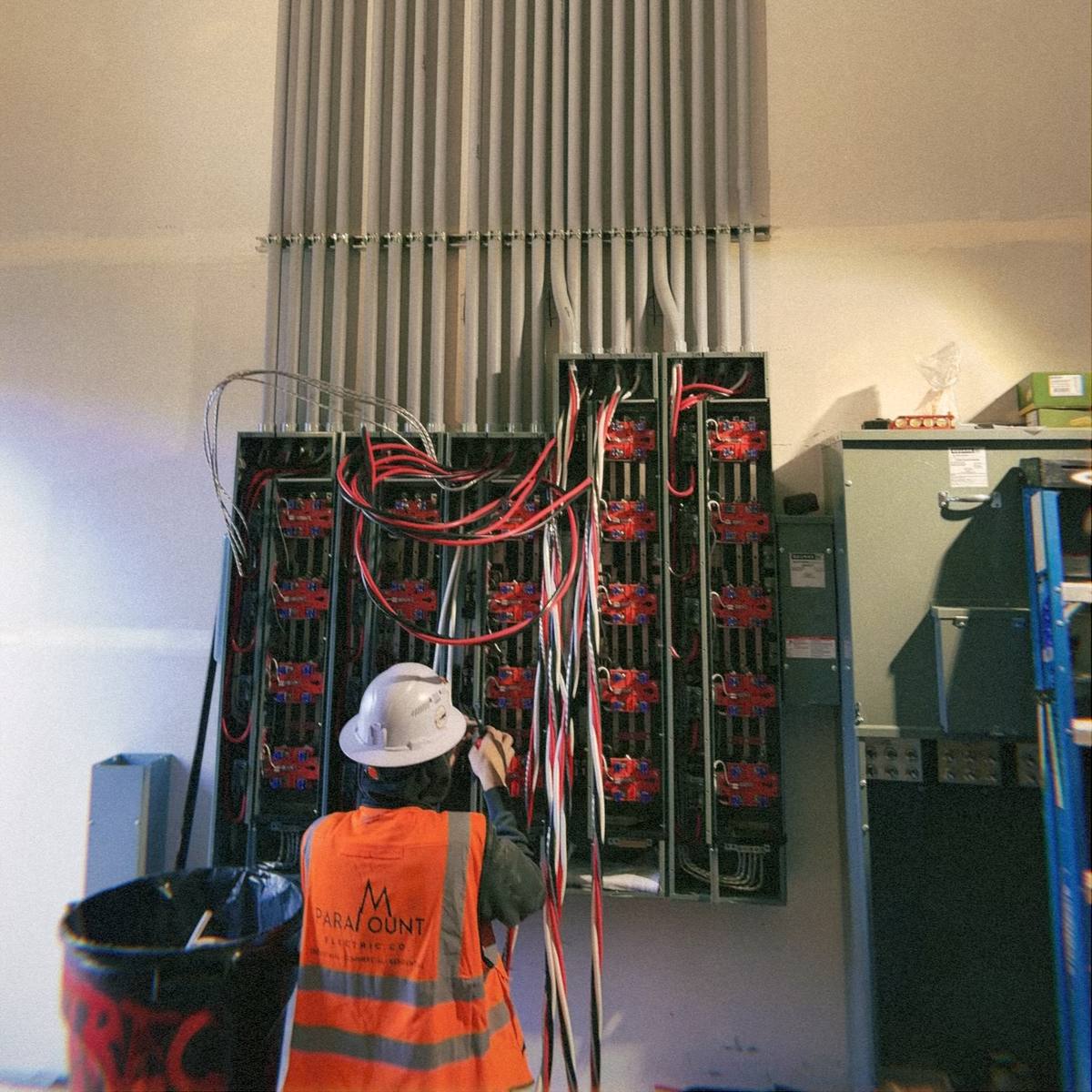
A commercial electrical maintenance program is a scheduled cycle, sized to the building: periodic infrared scanning and panel inspection, exercising and testing breakers, tightening terminations, testing emergency and egress lighting on the code-required schedule, verifying GFCI protection, cleaning and inspecting switchgear, and keeping panel schedules accurate as tenants and equipment change.
For buildings with standby generators, the program folds in monthly exercise verification, transfer-switch testing, and annual load-bank runs — the maintenance that determines whether backup power actually works the night it's needed.
The economics
Reactive repair carries three costs that scheduled work doesn't: emergency labor rates, downtime while parts are sourced under pressure, and collateral damage — the melted bus that started as a $200 loose lug. Insurance carriers know this, which is why documented maintenance increasingly earns better terms and skipped maintenance shows up in claim disputes.
A program also turns electrical spending from surprise capital events into a predictable operating line — the format every owner and board prefers to approve.
- Scheduled inspection and infrared scanning cycle
- Emergency/egress lighting testing on code intervals
- Breaker exercising and termination torque checks
- Generator and transfer-switch testing where installed
- Documented reports after every visit — findings, photos, priorities
- Priority emergency response for program clients
Setting one up
This article is the checklist. For the program itself — the first-visit assessment, the schedule, and what a maintenance agreement covers — see our commercial electrical maintenance service page.
It starts with a baseline: one inspection to document existing conditions, clear the backlog of small corrections, and set the right cadence for the occupancy — a medical office and a warehouse don't need the same schedule. From there, visits run on calendar, reports accumulate into a maintenance record, and the 2 a.m. calls get rarer.
Common questions
What size building justifies a program?
Do program clients get priority on emergencies?
Can you take over a building with no electrical records?
Put your building on a schedule
Tell us about the facility and we'll propose a maintenance cadence and price — or call (971) 471-7897.