
TI Electrical: What GCs Should Lock Down Before Demo Day
Most tenant-improvement schedule blowups are electrical, and most of those were visible before demo started. After wiring restaurant build-outs, offices, and retail across the Portland metro, here's the short list we wish every GC ran before the first wall came down.
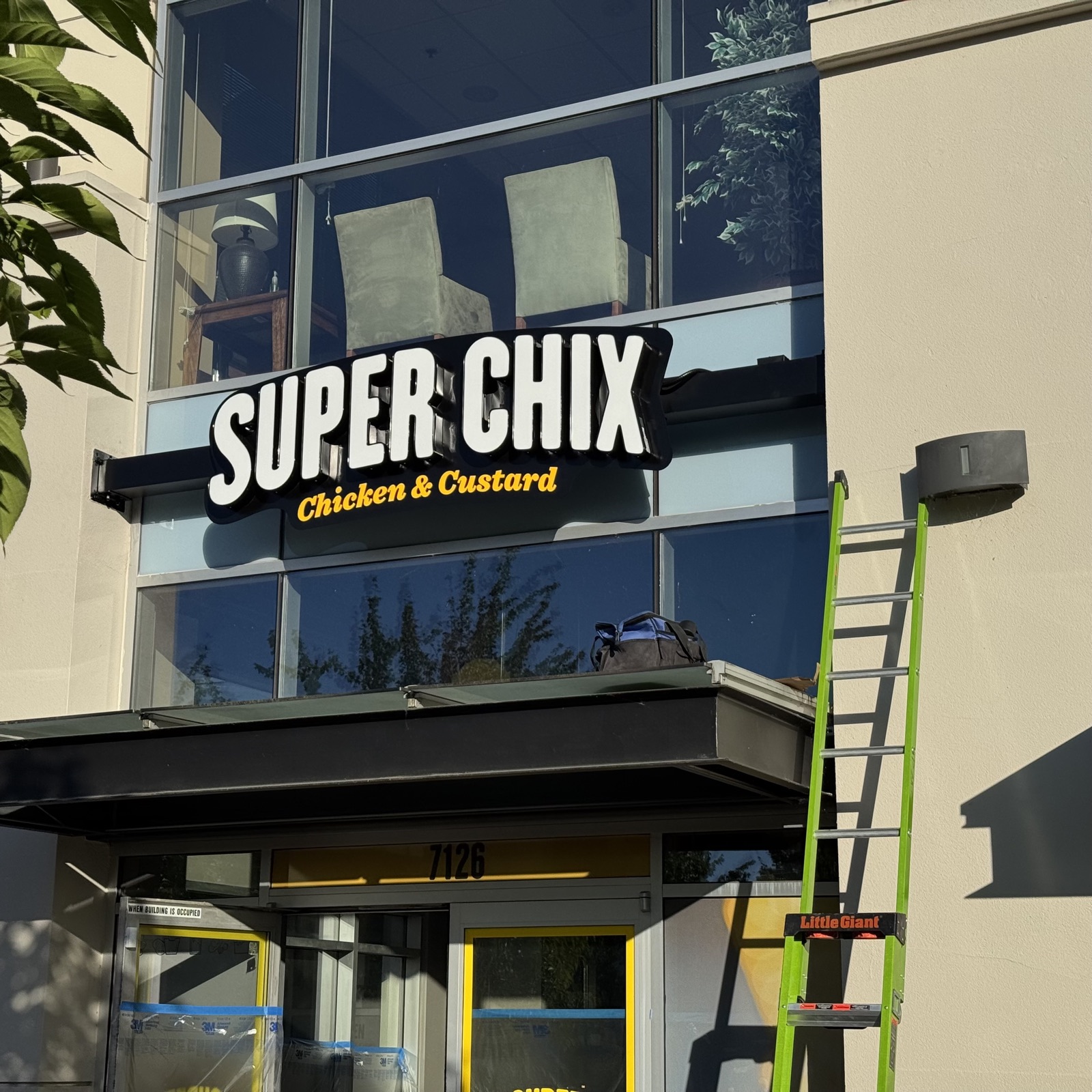
Verify the service before you promise the space
The landlord's marketing package says the suite has power. The question is how much, at what voltage, and how much of it is actually available after the neighbors' loads. A restaurant concept moving into former office space is the classic trap: office suites run light loads, commercial kitchens don't, and the gap between them can be a service upgrade with utility lead times measured in months.
A one-hour capacity review against the tenant's equipment list — before lease signing, ideally — is the cheapest schedule insurance that exists.
The panel schedule is probably fiction
Suites that have passed through three tenants carry three generations of undocumented changes. Breakers labeled 'storage' feeding the neighbor's signage, spare slots that aren't, shared neutrals nobody meant to create. We walk and trace the existing distribution early, because discovering it during rough-in converts surprises into change orders.
Equipment specs drive everything — chase them early
Every TI has a critical path that runs through equipment cut sheets: kitchen lines, medical devices, IT rooms, signage. Voltages, phases, receptacle types, and dedicated-circuit requirements all come off those sheets, and late substitutions change rough-in. We track the equipment schedule line by line and rough in flexible capacity where substitutions are likely — a habit that has saved more opening dates than any amount of overtime.
- Tenant equipment list with cut sheets before design
- Existing service capacity verified against it, in writing
- Panel schedules field-verified, not inherited
- Low-voltage scope (data, security, AV) assigned, not assumed
- Inspection milestones on the master schedule from day one
Sequence inspections like they're on the critical path — they are
Cover inspections gate insulation, which gates drywall, which gates everything visible. In occupied buildings, add landlord rules about shutdown windows and after-hours tie-ins. We plan tie-ins around the building's tenants and keep the inspector informed of revisions as they happen, because an inspector who learns about changes at final is an inspector with reasons to slow down.
One more Portland-metro specific: jurisdictions differ. The same scope permits differently across the metro's cities and counties, and knowing which desk you're standing at is part of the schedule.
Common questions
When should the electrical sub get involved in a TI?
Do you work as a subcontractor to GCs?
Can you handle the low-voltage scope too?
Bidding a tenant improvement?
Send the plans and the tenant's equipment list — commercial bids come back fast, with the capacity questions answered up front.