
Electrical Preventive Maintenance Checklist for Commercial Buildings
Electrical systems don't wear out on a schedule the way a roof or a rooftop unit does. They degrade quietly — a connection loosens, a breaker stiffens, a ballast runs hot — until one of them takes a circuit, a tenant, or a building offline. Preventive maintenance is the routine that finds those conditions while they're still cheap. This is the checklist we work from, organized the way a facility manager would actually walk a building.
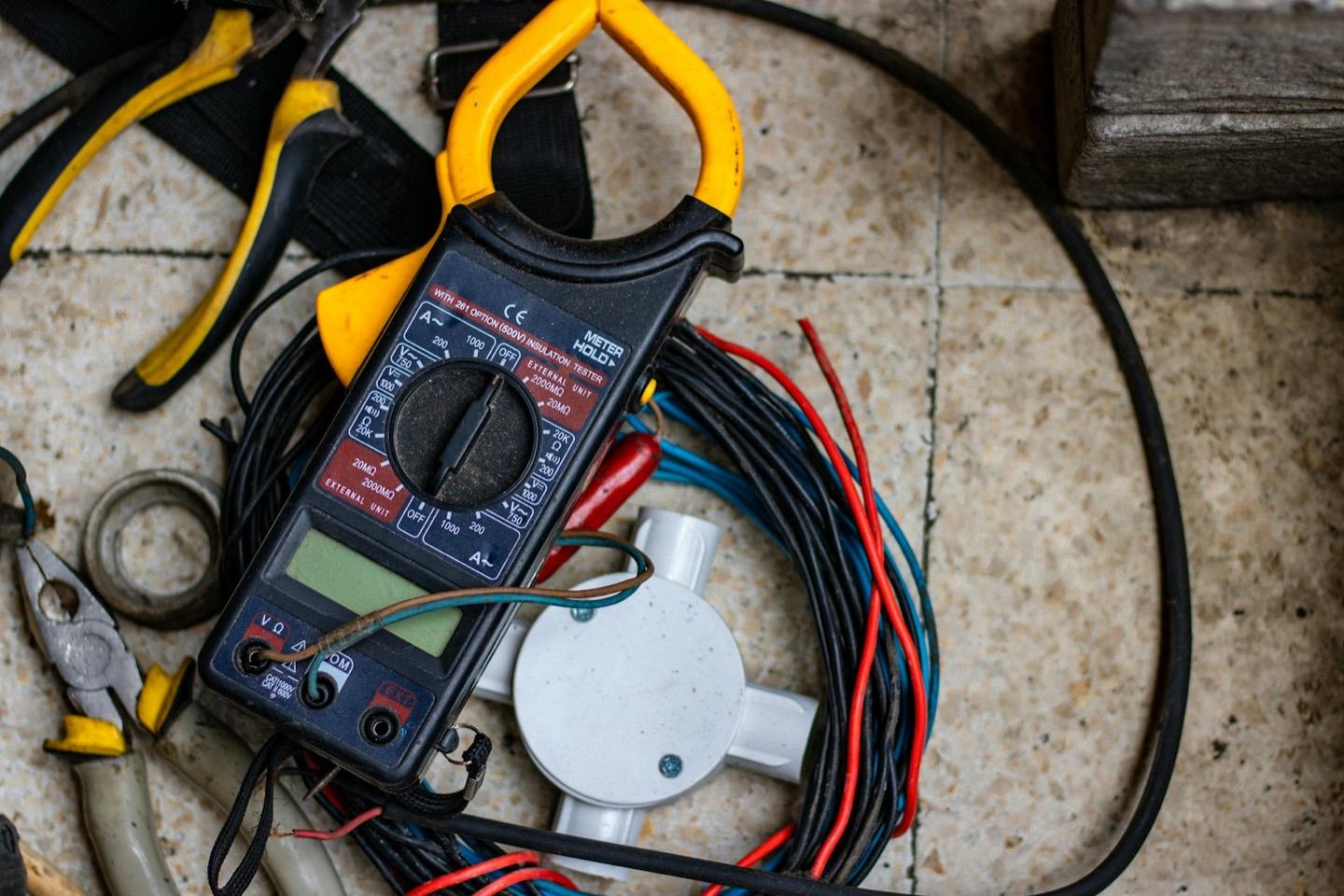
What does electrical preventive maintenance include?
Electrical preventive maintenance is a scheduled program of inspecting, testing, cleaning, and tightening a building's electrical equipment before it fails. For most commercial buildings it covers the service and distribution gear, panelboards, lighting, emergency and exit lighting, standby power, and the records that prove the work was done.
The industry reference is NFPA 70B, the standard for electrical equipment maintenance, which ties how often equipment is serviced to its condition and how critical it is. The right program for a building follows that logic: the main switchboard and anything feeding life-safety or revenue-critical loads gets the most attention.
What should be checked at the service and distribution equipment?
The service entrance, switchboards, transformers, and panelboards are where a single failure affects the most people, so they come first. The core tasks are a visual inspection, an infrared scan under load, connection checks, and exercising breakers and switches that otherwise sit untouched for years.
Infrared thermography is the highest-value item on the list. A loose or corroded termination shows up as heat long before it shows up as a failure, and a scan finds it without shutting anything down. Follow-up — de-energizing and re-torquing the connection to the manufacturer's value — is then scheduled, not an emergency.
- Visual inspection: damage, corrosion, moisture, discoloration, missing covers or fillers
- Infrared scan of panels, switchgear, and transformers under normal load
- Termination torque checks during a planned shutdown
- Exercise breakers and disconnect switches
- Verify grounding and bonding connections
- Check clearances: nothing stored in front of electrical equipment
- Confirm panel schedules are accurate and legible
- Clean dust and debris from enclosures and electrical rooms
What belongs on the lighting checklist?
Lighting maintenance covers interior fixtures, controls, and everything outside: parking-lot poles, wall packs, canopy and sign lighting. The goal is to replace failures in planned rounds rather than one service call at a time, and to keep control systems doing the job the energy code installed them for.
Exterior lighting deserves its own line. A dark corner of a parking lot is a safety and liability issue before it's a maintenance one, and photocells and time clocks drift or fail in ways nobody notices until a tenant complains.
- Interior lamp, driver, and ballast failures logged and group-replaced
- Occupancy sensors, daylight controls, and time schedules verified
- Parking-lot poles, wall packs, and canopy lights checked after dark
- Photocells and time clocks tested and reset for the season
- Pole bases, hand-hole covers, and exterior fixtures inspected for damage and water
- Sign lighting and sign power checked
How often do emergency and exit lights need testing?
Fire and life-safety codes commonly call for a brief functional test of battery-powered emergency and exit lighting every month and a full-duration test once a year, with written records kept for the fire inspector. Confirm the exact requirement for your occupancy with your local fire marshal or building official.
This is the item most often missed, because the lights look fine until the power is actually out. A fixture with a dead battery passes a glance and fails the one time it matters. Building the tests into the maintenance program — with a log — closes that gap.
What about generators and transfer switches?
Standby power only counts if it starts and transfers. Generator maintenance typically includes regular exercise runs, an annual service with oil and filter change, a battery load test, a controller check, and a test run under load, along with testing the automatic transfer switch.
Facilities with code-required emergency systems — healthcare and senior care in particular — have stricter testing and record-keeping obligations than a building with an optional standby unit. We maintain generators we installed and ones we didn't, and as a Generac Authorized Dealer we service Generac systems directly.
How often should each task be done?
A workable cadence for a typical commercial building is monthly visual and life-safety checks, a seasonal exterior lighting round, and an annual infrared scan and shutdown-based service of the distribution equipment. Critical facilities, older equipment, and harsh environments justify shorter intervals.
The first visit sets the schedule. A baseline assessment — walk-through, infrared scan, and a written report with findings ranked by urgency — tells you what condition the equipment is actually in, which is what the frequency should be based on.
- Monthly: visual walk of electrical rooms, emergency and exit light function test, generator exercise check
- Quarterly or seasonally: exterior and parking-lot lighting round, time clock and photocell adjustment
- Annually: infrared scan, breaker exercise, torque checks, full-duration emergency lighting test, generator service
- After any event: inspection following a fault, a flood, a tenant change, or a major equipment addition
What records should a facility keep?
Keep a dated record of every inspection, test, finding, and repair, with photos and infrared images where they apply. Insurers, fire inspectors, and corporate facility teams ask for exactly this, and it's what turns maintenance from a cost into evidence.
For multi-site operators, consistent documentation across locations is what makes the data useful. We document every ticket with photos and notes and can work to your work-order process so the records land where your team already looks.
Common questions
Does preventive maintenance require shutting the building down?
Is electrical preventive maintenance required by code?
Can you maintain multiple locations under one program?
What does a first visit look like?
Want this checklist handled for you?
Book a facility assessment — walk-through, infrared scan, and a written report with findings and pricing. (971) 471-7897.